 |
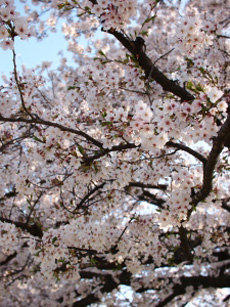
| Branches of a cherry tree, none of which was ever cut down by George Washington. Photo by Makio Kusahara | SXC. |
February 2007
Updated February 2009
|
|
Product Reviews / Main Nibbles / Fruits
Cherish The Cherry
Page 2: Cherry History
This is Page 2 of a four-page article on cherries; here, cherry history. Click on the black links below to visit other pages.
Cherry History
Closely related to plums and other stone fruit, cherries have been known and appreciated since ancient times.
- Theophrastus, an early botanist and protégé of Aristotle, mentions them in his
“History of Plants” in the 3rd century B.C., going so far as to mention that they had already been known to the Greeks for centuries.
- Roman historian Pliny the Elder later writes that the decadent Roman general Lucullus brought cherries to Italy around 74 B.C.. Some myths even tell of the old soldier committing suicide when he realized his supply of the sweet treat had lapsed.
- Both stories about Lucullus—like the one about George Washington chopping down his dad’s cherry tree—are, of course, untrue. But that doesn’t mean that we can’t appreciate why someone would raise so much fuss over one of nature’s nicest rewards.
- Washington was not the only U.S. leader to have a particular relationship with Prunus cerasus: President Zachary Taylor, when he died of dysentery in 1850, was reported to have developed his symptoms after enjoying “cold cherries and milk” during a long, hot outdoor Independence Day celebration that included breaking ground for the Washington Monument. Five days later, Taylor was dead, the cause listed as “gastroenteritis—inflammation of the stomach and intestines.” Alas, the health benefits of cherries could not come to his rescue.
- Yet another founding father, Thomas Jefferson, grew cherries on his plantation at Monticello; so did literary giant Henry David Thoreau on his family’s Massachusetts farm. Neither, though, could likely tell you about the cherry and its massive value as a health aide.
|
|
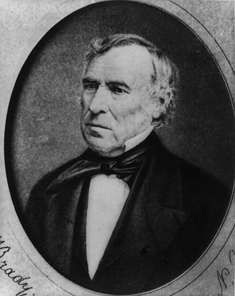
President Zachary Taylor made cherry-producing California a state, but died after a long Independence Day celebration that included cold cherries and milk. |
Cherries & Antioxidants
At more than 12,000 ORAC units per hundred grams of fruit, cherries have a higher antioxidant capacity than grapes, oranges, plums, raspberries and strawberries combined.
In the 18th century, developing gout or arthritis would have meant a long relationship with pain and patience. As it turns out, instead, that some tart cherry juice might have worked a little better.
Cherry pits have been found in Stone Age caves. Perhaps our earliest ancestors, when not busy dodging angry mastodons, also had an appreciation for the cherry and its antioxidant properties, including an abundance of vitamins A, B, and C. Perhaps they even enjoyed it with freshly spear-hunted boar or wild fowl; their gourmet descendents have been known to enjoy it with savory pork and duck dishes as well.
What To Do With Cherries
Russians enjoy cherry preserves in their tea; Germans distill cherries into their brandy. Many people use them in cakes and pies, over ice cream, dried and diced into salads, as a garnish in cocktails, sprinkled over soft cheese, soft and warm on pancakes or in the middle of an indulgent chocolate bonbon. The question, really, isn’t what you can do with cherries—but what you can’t.
Continue To Page 3: Cherry Tips
Go To The Article Index Above
|