 |
| |

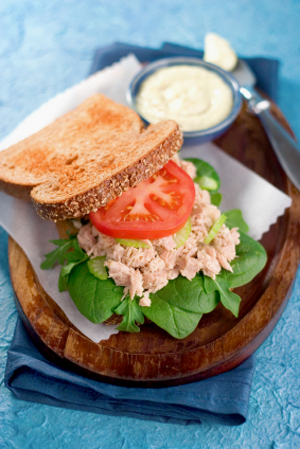
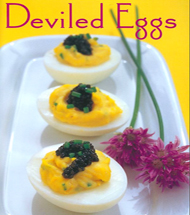
Mayonnaise doesn’t get more exciting than the mayos from The Ojai Cook. Whether it’s tuna, lobster salad, deviled eggs or a garnish for shrimp or grilled chicken, a jar of Ojai mayonnaise is a cook’s best friend. Photo by Kelly Cline | IST.
|
| WHAT IT IS: A line of highly-seasoned gourmet mayonnaises and seafood sauces. |
| WHY IT’S DIFFERENT: Finally, mayonnaise tastes like it should—vibrant with citrus (lemon juice is an ingredient of homemade mayonnaise), herbs and/or spices. Now, you don’t have to throw everything else into the recipe on top of the mayonnaise, to shake up the flavor. |
| WHY WE LOVE IT: It makes everything, from the simplest sandwich to a party hors d’oeurve, taste amazing. We could eat it from the spoon—something we would never wish to do with bland, unctuous supermarket brands. |
| WHERE TO BUY IT: Call 1.619.222.6690 or visit RainsOfOjai.com, FoodLocker.com, supermarkets and specialty food stores nationwide. See more retailers below. |
|
|
 |

The Ojai Cook:
Marvelous Mayonnaise
“Life is a banquet,” said Auntie Mame,* “and most poor bastards are starving.” If your banquet includes mayonnaise, that statement may be especially true—unless you’ve stocked up with the wonderful line of mayos from The Ojai Cook. If you truly like fine food, one taste will make you view any supermarket mayonnaise as the equivalent of the most tasteless supermarket white bread.
*You can read the book, Auntie Mame, by Patrick Dennis, get the original film DVD with Rosalind Russell or the DVD of the musical film, Mame, with Lucille Ball and Beatrice Arthur. In fact, get all three!
Fortunately, The Ojai Cook offers a simple and affordable solution that will invigorate every food you mix mayonnaise into, dip it into or slather it upon. Citrus, herbs and flavors you never believed could come from mayonnaise will dance on your palate. Family and friends will exclaim that the new sandwich/tuna/potato salad/deviled egg recipe is fantastic. If you currently make your own mayonnaise because you can’t abide commercial products, you may well decide that you no longer have to invest the time.
You may have seen The Ojai Cook Lemonaise—the original flavor—on the shelf of your specialty food store. It’s been around for years. Wise cooks, whether or not they live in Ojai, will pick some up, along with Garlic-Herb Lemonaise and Latin Lemonaise, and get to work re-energizing their menus. There’s also Lemonaise Light, Bite Back Tartar Sauce and Sassy Seafood Sauce (a fabulous spicy ketchup substitute). Here’s a tip: The Bite Back Tartar Sauce makes a kick-butt sandwich spread. All of the flavors are equally wonderful; the line is all-natural and certified kosher, too. Read more about them in the full review below.
- Read reviews of more of our favorite gourmet condiments in THE NIBBLE online magazine.
- See the Table of Contents of the August issue of THE NIBBLE, plus the prior issues archive and our most popular articles.
- All of the Top Pick Of The Week newsletters are permanently archived on TheNibble.com, in chronological order and by product category.
|
THE NIBBLE does not sell the foods we review
or receive fees from manufacturers for recommending them.
Our recommendations are based purely on our opinion, after tasting thousands of products each year, that they represent the best in their respective categories. |
Sandwiches & “Stuff” For Your Mayo
 |
 |
 |
| Deviled Eggs: 50 Recipes from Simple to Sassy, by Debbie Moose. From Jamaican deviled eggs to wasabi deviled eggs, there’s a recipe for almost every week of the year—and quite a few need mayonnaise! Also, techniques for boiling the perfect egg and what plates to select for serving deviled eggs. Click here for more information or to purchase. |
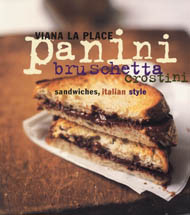
Panini, Bruschetta, Crostini: Sandwiches, Italian Style, by Viana La Place. A fun, inventive and mouth-watering collection of sandwiches. Recipes for breakfast, lunch, snacks and hors d’oeuvres, including both simple and elegant bruschetta and crostini, the Italian open-faced toasts and canapés. There are sweet versions too. Click here for more information or to purchase. |
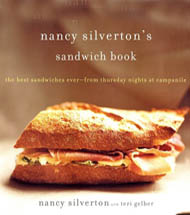
Nancy Silverton’s Sandwich Book: The Best Sandwiches Ever—from Thursday Nights at Campanile, by Nancy Silverton and Teri Gelber. If you can’t get to L.A. to eat the sandwiches at Campanile, you can make them at home. Sophisticated and unusual ideas include the Fried Oyster Sandwich; Ham, Creamed Spinach and Stewed Leeks; plus “sweet sandwiches” made of cake and filling. Click here for more information or to purchase. |
The Ojai Cook: Marvelous Mayonnaise
INDEX OF REVIEW
|
MORE TO DISCOVER
|
Ojai, California lies in a valley east of Santa Barbara, approximately 15 miles inland from the Pacific coast. The name, from the language of the native Chumash tribe, means Valley of the Moon. Ojai has long been popular with the Hollywood crowd. Actors Eileen Brennan, Julie Christie, Larry Hagman, Anthony Hopkins, Larry Linville, Malcolm McDowell, Bill Paxton, Peter Scolari and Peter Strauss, among others, have lived there, as have director David Zucker, producer Jerry Bruckheimer and composer Elmer Bernstein. Fictional characters have resided there as well, from “Six Million Dollar” Man Steve Austin and “Bionic Woman” Jaime Sommers, to the 101-year-old “Titanic” survivor Rose DeWitt Bukater. Many films and television shows have taken advantage of the topography, from the Tracy-Hepburn classic “Pat and Mike” to “The Two Jakes” with Jack Nicholson (both films were shot at the famous Ojai Valley Inn and Spa).
The lead characters of the current ABC television series, “Brothers & Sisters,” the Walker family, live in Ojai, where they operate a wholesale food company, Ojai Foods.
|

Downtown Ojai, with its bell tower; in the background,
the Topa Topa mountains. Photo courtesy of
Wikipedia. |
Perhaps, being in the same business, they know The Ojai Cook. If we can blend fact and fiction, the Walkers are in the produce business, and The Ojai Cook buys lots of lemons to make its line of citrus-based mayonnaises. The Ojai Valley is home to some 2,000 acres of lemon and orange groves which inspired the founder of the company, Joan Vogel, who developed the current line (in 2005 Ms. Vogel sold the company Q and B foods, which had been manufacturing the products for her since the beginning). The original Lemonaise, launched as a local business more than 10 years ago, is now sold nationwide and even has international fans. Currently there are six sauces: five mayonnaises and a seafood sauce. The line is all-natural, carb-free, cholesterol-free, dairy-free, soy-free and non-GMO (no genetically-modified organisms). It is certified kosher by the Orthodox Union.
MAYONNAISE IS RELATIVELY NEW, DATING TO THE 1700s.
BUT MUSTARD SEED USE DATES ALL THE WAY BACK TO NEOLITHIC MAN
(THE LATE STONE AGE, 10,000 B.C.E. TO 4,500 B.C.E.).
READ THE HISTORY OF MUSTARD. |
Lemonaise Varieties & Serving Suggestions
While commercial mayonnaises require emulsifiers and preservatives to keep them shelf-stable, homemade mayonnaise is simply a blend of vegetable oil (French chefs use olive oil), egg yolks and lemon juice (or vinegar) plus seasonings. To enhance the flavor, some people add dry mustard in addition to salt and pepper.
Whatever the recipe, mayonnaise is generally a pallid substance that tastes better than it looks. Redolent of flavor, The Ojai Cook has also given mayonnaise a beauty makeover. It starts with the touch of Creole mustard in the basic Lemonaise recipe, which adds whole-ground mustard seeds to dot the landscape of the Lemonaise, along with the tiniest red flecks of cayenne pepper. In the Garlic-Herb Lemonaise, large pieces of tarragon and basil appear. These seasonings provide color and texture, making the Lemonaises look anything but pallid. The salmon-colored Latin Lemonaise is a fiesta of colors, textures and flavors while the slightly pink Bite Back Tartar Sauce floats flecks of red jalapeño and feathery bits of dill. If other mayos are bland, beige blobs, The Ojai Cook products are tasty pageant queens.
Beyond looking good, your food’s seasonings are already in the mayonnaise, which means that you need use only one ingredient (The Ojai Cook), not three or five. When using products from The Ojai Cook, not even extra salt or pepper is required! The all-natural line is made with canola oil (rapeseed oil), finer than the less nutritious safflower oil with which many commercial mayonnaises are made.

Lemonaise: Great mayonnaise with a big citrusy
tang. Use it as a spread or dip—we have dozens
of serving suggestions below. Photos by Michael
Steele.
|
The Original Ojai Mayo: Lemonaise
- Lemonaise. The original flavor, which became a cult favorite with those “in the know” more than a decade ago, contains lemon juice, Creole mustard, garlic and cayenne. These ingredients elevate mayonnaise from Ojai to a Rocky Mountain high. One taste will show you what deft seasoning can do to a staple that almost everyone just accepts in such a bland state. (Sure, some people don’t like well-seasoned food, and we respect that—but we also feel certain that they are not reading this review.) Use these eye-opening products to replace regular mayonnaise in every situation—except, perhaps, as a hair moisturizer. See all of the serving suggestions below. Calories per tablespoon: 110.
- Lemonaise Light. The Light product is surprisingly as fresh and tangy as regular Lemonaise. If you’re cutting back on fat and calories, you’re not missing out on much over the full-test version. The difference, however, is that while Lemonaise has no sugar or sweetener, Lemonaise Light contains evaporated cane juice. (It’s one of those paradoxes of reduced-fat products.) Calories per tablespoon: 60.
|
The “Flavored” Mayos
Basic Lemonaise has enough flavor for any purpose. But as variety is the spice of life, The Ojai Cook cooked up two “flavored” mayos that prove that even if you feel you have reached the heights, there’s still room to climb.
- Garlic-Herb Lemonaise. This may be our favorite of the Lemonaises. If you love garlic and wonder why no one makes a garlic mayonnaise, here it is—joined by a jolt of tarragon and some basil. This is more than mayonnaise: It’s a trip to France, where the flavor of fresh herbs is so important in cooking. Tasting it from a spoon is startling and satisfying—on a sandwich or in a salad, it simply awakens the taste buds. Contains evaporated cane juice. Calories per tablespoon: 100.
- Latin Lemonaise. If you’d prefer to be south of the border, Latin Lemonaise is calling your name. It looks like Thousand Island Dressing, but tastes 180° in the opposite direction. Latin Lemonaise has tang (from lime juice and vinegar), crunch (from minced onion) and spice (from cayenne, cumin, jalapeño and Creole mustard, a hot, spicy mustard with a touch of horseradish). Calories per tablespoon: 100.
|

Spice up your food with Latin Lemonaise...or take
a French approach with Garlic-Herb Lemonaise.
|
Not enough for you? Three new flavored Lemonaises will debut in early 2008: Cha Cha Chipotle Lemonaise, Fire & Spice Lemonaise and Green Dragon Lemonaise (with wasabi, lemon and cilantro).
Some people have second thoughts about using mayonnaise. With mayo this good, you can enjoy it guilt-free.

Sassy Seafood Sauce, based on red pepper purée, is
a cut above other cocktail sauces.
|
The Seafood Sauces
- Bite Back Tartar Sauce. Tartar sauce is essentially mayonnaise flavored with chopped pickles, capers and other seasonings, like parsley and chives. It was invented by the French, who served it with Steak Tartare; in the U.K. and in the U.S. it became a popular sauce for seafood. This tartar sauce “bites back” with jalapeño and horseradish as well the traditional pickle relish. Calories per tablespoon: 90.
Try It With: Traditionally, tartar sauce is used with crab cakes, fried seafood and poached salmon. But this is also delicious with turkey and beef, and adds a jalapeño bite to tuna salad, potato salad and sandwiches. Think of it not as tartar sauce, but as hot and spicy citrus mayonnaise with pickle relish.
- Sassy Seafood Sauce. Not your basic horseradish cocktail sauce, this chunky, crunchy red seafood sauce leads with roasted red bell pepper purée, tomatoes, accented ginger, jalapeño and other seasonings. It’s spicy but not fiery, and there’s a slight sweetness from the molasses, with lots of crunch in every bite from the minced onions. A delightful change of pace and a fabulous ketchup substitute. Calories per tablespoon are just 20.
|
Try It With: Barbecue, burgers, veggie burgers and seafood, of course!
Serving Suggestions
Most serving suggestions work across favors of Lemonaise.
- Dips: Use straight or as an ingredient with crudités, bread sticks
- Fish: fried or grilled fish, cold shellfish, poached salmon
- Hors d’Oeuvres: Canapés (see tip below), deviled eggs
- Meats: As a dressing for burgers, chicken, pork, veggie burgers
- Salads: chicken, macaroni, tuna, potato, etc.
- Salad Dressings
- Sandwiches & Wraps: BLT, cheese, chicken, ham, tuna, Reuben, turkey, veggie
- Sauces: For hot asparagus, grilled or steamed vegetables, steamed artichokes
Tip: Make easy canapés by topping breads, crackers, potatoes or radish rounds with the spread of your choice, plus any other element(s)—shrimp, sliced beef, marinated vegetables, etc. |

Latin Lemonaise, above, can be used for any purpose
on the list of serving suggestions. |
A Brief History Of Mayonnaise
While some culinary historians observe that a mayonnaise-like mixture of olive oil and egg was consumed by ancient Egyptians and Romans, the mayonnaise that we know today—an emulsion of oil, egg and lemon juice (or vinegar) plus seasonings—was developed by one of the great chefs of France. While stories of the provenance vary, the leading belief is that the concept for the original mayonnaise sauce was brought back to France in 1756 from Mahón, a city on Minorca in the Balearic Islands, off the northeast coast of Spain. It was created for a victory banquet to celebrate the capture of Mahón by forces under Louis-François-Armand de Vignerot du Plessis, duc de Richelieu (1696-1788), a marshal of France and a grandnephew of Cardinal Richelieu.* Traditional sauces of the day were made of cream and eggs. As the story goes, the Duke’s chef had no cream and substituted olive oil, naming the new sauce “Mahonnaise” in honor of the victory. There are various reasons given for the evolution of the word to mayonnaise—from typographical error to the old French word for egg yolk, moyen and manier, to stir or to blend. |

The great French chef Marie-Antoine Carême,
created the mayonnaise we know today.
Photo courtesy of Wikipedia. |
What we do know is that years after its debut, the great French chef Marie-Antoine Carême (1784-1833), founder of the concept of haute cuisine, lightened the original recipe by blending the vegetable oil and egg yolks into an emulsion. It was his recipe that became famous throughout Europe, and subsequently, the United States.
*Literary note: The Duke was an accomplished military strategist and diplomat, attaining these distinctions despite his reputation as a man of exceptionally loose morals. Reportedly, the writer Pierre Choderlos de Laclos based the character Valmont in Les Liaisons Dangereuses on him.
Packaged, commercial mayonnaise was first sold in 1905, in New York City. German immigrant Richard Hellmann opened a delicatessen on the Upper West Side, on Columbus Avenue between 83rd and 84th Streets. The mayonnaise used in salads and on sandwiches, made by his wife Nina, was so popular that he began to sell it as a separate product. There were two versions of the recipe, packed in wooden “boats” that were used to weigh butter; a blue ribbon around one of the styles differentiated the two. The “blue ribbon” variety sold much better, so Hellmann designed a “Blue Ribbon” label and packaged that product in larger glass jars. Sales of Hellmann’s Blue Ribbon Mayonnaise were so good that he started a distribution business, purchased a fleet of trucks, and, in 1912, built a manufacturing plant. At about the same time, in California, Best Foods introduced an equally popular mayonnaise. In 1932, Best Foods bought the Hellmann’s brand. It was decided that both brands would be preserved: To this day, Best Foods Mayonnaise is only sold west of the Rocky Mountains and Hellmann’s is sold only east of the Rocky Mountains. The two brands account for approximately 45% of all bottled mayonnaise sold in the U.S.
But, while you might like to own Best Foods, remember that the product you want to eat, without a doubt, is The Ojai Cook.
—Karen Hochman
FORWARD THIS NIBBLE to anyone who likes mayonnaise....or to people who would like it if it tasted better.
THE OJAI COOK
Bite Back Tartar Sauce, Garlic-Herb Lemonaise, Latin Lemonaise, Lemonaise, Lemonaise Light, Sassy Seafood Sauce
Certified kosher (pareve) by the OU
Purchase at supermarkets and specialty food stores nationwide, including
Publix, Whole Foods Markets and Wild Oats.
Price and flavor availability are verified at publication but are subject to change.
Back to Index |
 |

|
Read more about our favorite
condiments and related products in
THE NIBBLE online magazine.
|
Check Out These Other “Top Pick Of The Week” Condiments:
|
Do you have friends who would enjoy THE NIBBLE?
Click here to send them an invitation for the Top Pick Of The Week newsletter. |
ABOUT THE NIBBLE. THE NIBBLE™, Great Food Finds™, is an online magazine plus newsletters about specialty foods and the gourmet life. It is the only consumer publication and website that focuses on reviewing the best specialty foods and beverages, in every category. The magazine also covers tabletop items, gourmet housewares, and other areas of interest to people who love fine food. This e-mail from the editors features the Top Food Pick of the Week.
© Copyright 2004-2008 Lifestyle Direct, Inc. All rights
reserved. All information contained herein is subject to change at any time
without notice. All details must be directly confirmed with manufacturers, service
establishments and other third parties. The material in this e-zine may not
be reproduced, distributed, transmitted, cached, or otherwise used, except with
the prior written permission of Lifestyle Direct, Inc.
|
 |
|
 |