The Evolution of Tea Culture in China and JapanThe tea plant probably originated in the region that today comprises Northern India, Tibet and southwest China. Prehistoric man made a relish from the leaves and also used it for medicinal purposes, and the leaves were chewed. Tea plant cultivation in China began about 4,000 years ago. Chinese traders visiting the southern regions returned with tea, which, not surprisingly, became people all over China. The Spread Of Tea Culture In the Shijing or The Book of Songs, the earliest collection of Chinese written approximately 1122-256 B.C.E. (the Zhou Dynasty), tea is referred to as tu. It was also called jia and she in the Han Dynasty, 206 B.C.E.-220 C.E. During the Han Dynasty, tu also took on a second pronunciation, cha.
If all of this seems confusing, think of the different words that can be used instead of cola—carbonated beverage, carbonated drink, mixer, pop, soda, soda pop, soda water, soft drink, tonic, etc. The Spread Of Tea Culture: The Classic Age Of Tea By 350 B.C.E., tea drinking was common in China, and many grew the plant in private gardens. Tea was thought of as a medicinal drink in China until late in the sixth century. Tea could be steeped with onion, ginger, orange or peppermint, depending on the medicinal purpose. Not until the Tang dynasty (618 to 907 C.E.), often referred to as the Classic Age of Tea, did consumption move beyond medicinal purposes to a social beverage. Tea became China’s national drink.
Lu also describes types of tea, uses and the benefits of drinking it. More importantly, he imbued the writings with a spiritual aesthetic that reflected Buddhist, Taoist and Confucian religious thought. The tea ceremony served as a metaphor for expressing the harmony and simplicity that not only ordered but also streamed throughout the entire universe. Tea was a drink of the working people and the aristocracy, and was often drunk while entertaining. Making tea was an honor, so only the lord of the house was allowed this privilege. The skill of making tea properly was highly valued in China. An inability to make tea well, and with elegant style and presentation, was tantamount to being viewed as unmannered.
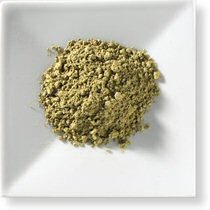
The Romantic Age Of Tea In the Sung dynasty (960 to 1280 C.E.), known as the Romantic Age of Tea, poetry and artistic references to tea abounded. A precursor to the Japanese tea ceremony to come, the most popular method of preparation involved grinding delicate tea leaves into a green powder in a stone mill and whipping it into hot water with bamboo whisks, creating a frothy drink. Formal tea-tasting parties were held, comparable to modern wine tastings.
At this time in Japan, as in China, people only drank tea in powdered form (matcha). Tea preparation and service became elevated to an art, an extension of the Zen philosophy’s purity of form. The Japanese tea ceremony or chanoyu (literally, “the hot water for the tea”) evolved, in which the making and serving of tea is carried out through an elaborate set of procedures, each movement learned over years of study and requiring great skill and poise.
Continue To Page 3: The Modern Steeping Custom Emerges & Tea Entices The Go To Article Index At The Top Of The Page
Follow Us On:


|
The Nibble Blog
The Latest Products, Recipes & Trends In Specialty Foods
New food adventures are served up daily. Check it out!
Food Glossary
Our Food Directories Are "Crash Courses" In Tasty Topics
Photo glossaries of more than 100 foods and beverages let you explore your favorites. Take a look!