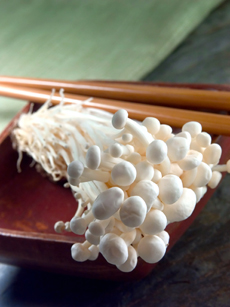
 Photo of enoki mushrooms by Kelly Cline | IST
.
|
|
|
CAITLIN BARRETT is a member of THE NIBBLE editorial staff. She wishes that she could make a joke here about being a “fun guy.”
KAREN HOCHMAN is Editorial Director of THE NIBBLE.
|
|
November 2005
Last Updated April 2026 |
|
Product Reviews / Main Nibbles / Vegetables
Mushroom Types
Three Cheers for the Fungus Among Us
Page 1: An Overview Of Wild & Specialty Mushrooms
CAPSULE REPORT: This is Page 1 of a six-page article on wild and specialty mushrooms. Click on the black links below to visit other pages.
There’s so much to love about spinach that there are 8 mushroom holidays to celebrate each year:
- February 4: National Stuffed Mushroom Day
- April 16: Day of the Mushroom
- May, weekend after Mother’s Day: National Morel Mushroom Festival*
- May 17: National Mushroom Hunting Day
- October 15: National Mushroom Day
- October 15: National Dashi Day†
- September: National Mushroom Month
- October 28: Wild Foods Day
Plus, holidays for these dishes that count on mushrooms:
- May 16: National Coquilles Saint Jacques Day
- May 20: National Quiche Lorraine Day:
- May 29: National Coq Au Vin Day
- October 7: National Pierogi Day
- November 12: National Pizza With The Works Except Anchovies Day
- December 3: National Green Bean Casserole Day‡
Overview
Depending on how old you are, once upon a time, “gourmet” meant that you bought your white button mushrooms fresh, instead of in a can. Today, “gourmet” means that you don’t buy white button mushrooms at all. It’s all about wild.
Wild mushrooms are one of the most exciting and versatile categories of food. They instantly turn a plain piece of meat or chicken, or a bare bowl of pasta, into a gourmet feast.
But most people aren’t aware of how glorious the world of mushrooms is. Asian markets, farmers’ markets, online retailers, and specialty grocers are ready to enrich your plate with a selection of mushrooms that bear little resemblance to the cute, though not too flavorful, fellow that has long been resident, wrapped in plastic in your supermarket produce section.
The popularity of foraged wild and cultivated specialty mushrooms can be attributed to a change in mushroom farming in the late 1970s and early 1980s. At that time, owners of mushroom farms and wild mushroom hunters began to introduce the public to unique varieties of fungi that most people had never seen before.
It’s hard to imagine a time when the meaty portobello wasn’t a household name, but without this big boy, we would still be feasting on snowy white buttons. We would never know the light crunch of raw enoki, the hearty, meaty, and smoky taste of shiitakes, and the nutty flavor that sautéed morels bring to a dish.
Some of the tastiest and most interesting mushrooms are wild, but only about 3% of the wild mushrooms in the world are suitable for human consumption.
Translation: “not suitable” means poisonous, so don’t go picking the mushrooms that sprout up in your yard after a damp spell, or the beauties you find while hiking the woods.
It takes extensive training to identify an edible mushroom, so avoid the romantic (and economical) temptation to “pick your own.”
(We’ve recommended a book at the end of this article if you want to learn to identify edible mushrooms.)
|
|
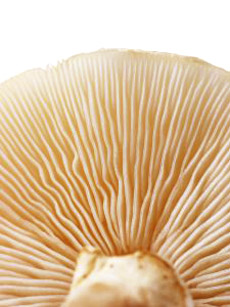
Groovy gills: mushroom photo by David Guglielmo | SXC.
|
Mushroom Nutrition
According to an article in The New York Times, mushrooms are a “powerhouse of nutrition.”
Low in calories and fat and cholesterol-free, mushrooms contain a modest amount of fiber but more than a dozen minerals and vitamins, including copper, potassium, magnesium, zinc, and B vitamins such as folate. Mushrooms are also high in antioxidants such as selenium and glutathion (GSH), substances believed to protect cells from damage and reduce chronic disease and inflammation.
Some studies suggest mushrooms are the richest dietary source of another antioxidant called ergothioneine, ERGO, which is also present in large amounts in red beans, oat bran, and liver. ERGO and other antioxidants are primarily concentrated in the caps, not the stems.
The nutrient profile of a mushroom varies, depending on both the type and the method of cultivation.
- The common button mushroom is high in potassium and selenium.
-
Specialty mushrooms like the gray and yellow oyster, shiitake, maiitake (photo below), and porcini have far higher concentrations of both ERGO and GSH.
-
Porcini mushrooms have the highest amounts of ERGO, followed by yellow oyster mushrooms.
The studies did not include cremini or portobello mushrooms, but these also contain significant, though lower, amounts of ERGO, according to the Mushroom Council.

Maitake mushrooms, also called hen of the woods, grow in clusters at the base of oak trees and other hardwoods, resembling a hen sitting on a nest (photo © Mushroom Council).
___________________
*The National Morel Mushroom Festival has been held annually in Boyne City, Michigan, since 1960. The multi-day festival features morel tastings, competitive mushroom hunts, educational seminars, and family fun. Here’s more about it. You don’t have to travel to celebrate; just cook up your own morel potluck party.
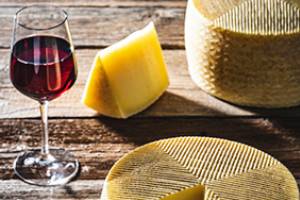
Morel and wine pairings: If you prefer a cleaner, more delicate pairing that lets the morels’ earthy flavor shine through, choose an unoaked or lightly oaked Chardonnay (like many from Chablis, or New World unoaked styles). If you enjoy richer, more complex pairings, select a classic oaked White Burgundy (like Meursault or Puligny-Montrachet), especially when the morels are prepared with butter and cream.
The key is matching the wine’s weight to the recipe. Lightly sautéed morels might be overwhelmed by heavily oaked Burgundy, while morels in a cream sauce can stand up to and complement an oakier, buttery wine.
Other options: Pinot Gris/Pinot Grigio’s crisp, clean profile, or Dry Riesling, the acidity of which balances a butter or cream preparation.
If you prefer red wine, a light-bodied Pinot Noir can work well with morels, especially heartier preparations. The key is to avoid reds that are too heavy or tannic, and would overwhelm the morels’ delicate, earthy character.
†Dashi is the base of many Japanese recipes, a broth of kombu (kelp), katsuobushi (shavings of dried, fermented, and smoked skipjack tuna or bonito), and shiitake mushrooms.
‡We’ve included National Green Bean Casserole Day, a 1950s recipe made with green beans (canned, frozen, or fresh) and cream of mushroom soup, with a garnish of crispy fried onions (also canned). It was invented in 1955 by Dorcas Reilly, a home economist at Campbell's Soup Company in Camden, New Jersey. It was first printed on soup cans as Green Bean Bake. The dish became an iconic American Thanksgiving staple, and Campbell’s estimates that as of 2020, it was served in 20 million Thanksgiving dinners in the United States.
Continue To Page 2: Buying Mushrooms
Go To Article Index Above
Content is © copyright Lifestyle Direct, Inc. All rights reserved. Images are the copyright of their respective owners.
|