Here are definitions of some of terms that pertain to organic and natural foods. More and more people, including those who don’t observe strictly organic or natural diets, are choosing products based on political, ethical and health concerns, believing that “if the package is labeled this way, it must be true.” Some terms are strictly regulated, but most are rather loose; others are deliberately complicated and misleading (for example, huge producers of chicken label their products “all natural” because they don’t contain artificial coloring or hormones, when such ingredients have never been part of the poultry industry. It’s like labeling olive oil “cholesterol-free” and “carb-free”—vegetable oils have never and will never have cholesterol and carbs.
If you feel strongly about something, do your research to make sure that a product is as natural or as ethical as you believe. We’ve tried to do our research and present you with the best information we can, below.
ADDED SUGARS Sugars and syrups that are added to foods during processing or preparation. Added sugars do not include naturally occurring sugars such as those that occur in milk and fruits. While the amount of natural sugars may be insignificant, it is why the term “sugar free,” previously seen on many foods, was changed to “no sugar added.”
ANTIOXIDANTS Antioxidants are chemical compounds that work to protect the body from cell damage by inhibiting oxidation, rendering free radicals harmless.
Foods with high antioxidant levels have been shown in studies to have health benefits ranging from anti-aging to improved cardiovascular health. Antioxidants slow down, prevent and treat degenerative diseases and aging by scavenging free radicals—molecules with one or more unpaired electrons, which rapidly react with other molecules, starting chain reactions in the oxidation process. The antioxidant gives up one of its electrons to complete the unpaired electron in the free radical, thus neutralizing the ability of the free radical to cause cell damage. Free radicals are a normal product of metabolism and the body produces its own antioxidants to keep them in balance. However, stress, aging, and environmental sources such as polluted air and cigarette smoke can add to the number of free radicals in the body, creating an imbalance. The highly reactive free radicals can damage healthy DNA and have been linked to changes that accompany aging such as age-related macular degeneration, and with disease processes that lead to cancer, heart disease, and stroke. Polyphenols and flavanols are antioxidants found in chocolate. Catechins are flavanols found in tea. Nutrients such as beta-carotene, vitamin C, vitamin E, and selenium have been found to act as antioxidants.
ARTISAN There are no standards for “artisan” and unfortunately, it has been co-opted by big business. Large businesses de facto cannot make artisan products: they are labor-intensive, small-batch products handmade, often of the finest ingredients, by skilled craftspeople. Machines don’t make the cheese, chocolate, jam, etc.: People make it. Artisan businesses are family-owned; some, which grow large enough to be purchased by Big Business, may still make good products from good ingredients, but the special quality that comes from small-batch production and the love and attention that the artisan invests in the product is lost.
BETA CAROTENE A form of carotene that is most efficiently converted to vitamin A by the body. It is found in dark green and dark yellow fruits and vegetables. Carotene, an orange pigment important for photosynthesis, is responsible for the orange color of carrots. SeeCarotenoids.
BIODYNAMIC AGRICULTURE Biodynamic agriculture dates back to 1924, is considered the oldest comprehensive method of farming and is practiced around the world. A more rigorous process than organic farming, it sustains soil productivity and maintains biodiversity with the use of organic pest controls, crop rotation and the cyclical rhythms of nature. Practitioners attest that biodynamic agriculture results in a greener planet, self-sustaining farms, healthier soil, and great-tasting food and wines that are rich in nutrients. In order for a product to be labeled as Biodynamic, it must comply with strict standards set by Demeter USA (demeter-usa.org). Biodynamic® is a registered trademark held by Demeter Association Inc. (see certification seal at left) and is globally recognized as a symbol for products grown using approved Biodynamic methods. Read our complete article on biodynamic versus organic farming.
BIRD FRIENDLY COFFEE Under a program established by the Smithsonian Institution to protect the habitat of songbirds in rapidly-deforested coffee-growing regions, Bird Friendly coffee must be shade grown as well as organic; companies selling these coffees contribute 25 cents per pound sold to the Smithsonian Migratory Bird Center to support research and conservation programs. SeeShade-Grown Coffee.
CAA or CELLULAR ANTIOXIDANT ACTIVITY
ASSAY The new CAA (cellular antioxidant activity) assay is a more biologically relevant method pf measuring antioxidants because it accounts for some aspects of uptake, metabolism, and location of antioxidant compounds within cells. Antioxidant activity has been previously measured using a range of lab-based assays, including the ferric reducing ability of plasma (FRAP) assay, the oxygen radical absorbance capacity (ORAC) and Trolox equivalent antioxidant capacity (TEAC). The CAA centers on dichlorofluorescin, a probe trapped within cells that can be easily oxidized to produce fluorescence. The decrease in cellular fluorescence when compared to the control cells indicates the antioxidant capacity of the compounds. The popular ORAC is still a valuable test; CAA shows how the compounds react with cells and are believed to be is a stronger measure of how antioxidant compounds could potentially react in the body.
C.A.F.E. PRACTICES
C.A.F.E. Practices (Coffee and Farmer Equity Practices) are a set of socially- and environmentally-responsible guidelines for producing, processing and buying coffee, that were established by Starbucks in 2001, in cooperation with Conservation International (Conservation.org), a nonprofit organization that promotes biodiversity conservation in rain forests and other ecosystems worldwide.
CAGE-FREE Cage-free eggs are laid by hens that are not kept in cages. Advocates contend that contends that cage-free eggs definitely taste better and are healthier. However, critics say that cage-free doesn’t mean comfortable: In some operations, many thousands of hens can be packed together in a crowded indoor space, flapping their clipped wings, fluttering on top of one another—not really an improvement over being physically safe but constrained in a cage. Currently, cage-free operations are not well regulated. We recommend paying a bit more for USDA Certified Organic eggs, which are inspected. The hens have access to the outdoors and sunlight, are fed organic feed, and in our experience, lay much tastier eggs.
CAROB BEAN GUM, CARRAGEENAN and LOCUST BEAN GUM Carob bean gum, carrageenan and locust bean gum are natural food stabilizers derived from plants and seaweed. They generally comprise a fraction of a percent of the product volume, so they do not affect the taste. The enable fresh foods to be made shelf-stable (i.e., they give products a “shelf life” by keeping them from breaking down for a certain period of time, and protect them from temperature fluctuations).
CATECHIN Catechins are flavanols, a subclass of flavonoids, the antioxidants in tea. Tea contains four main catechin substances, all of which are inclusively called “catechin”: The four primary polyphenols* found in fresh tea leaves are epigallocatechin gallate (EGCG), epigallocatechin (EGC), epicatechin gallate (ECG) and epicatechin (EC). Epigallocatechin gallate (EGCG) is the one most abundant in tea, and is about 25 to 100 times more potent than antioxidant vitamins C and E. Green tea contains between 30% and 40% of water-extractable polyphenols, while black tea contains between 3% and 10%. Oolong tea is somewhere between green and black tea, and white tea has somewhat more than green tea. According to recent research, adding citrus juice to tea significantly boosts the antioxidant absorption in the stomach, while adding milk does the opposite—the proteins in milk’s casein counteract the counteracts the antioxidant effectiveness. *EGCG et al > Catechin > Flavonoid > Polyphenol.
CAROTENOIDS A class of red, orange and yellow pigments in fruits and vegetables, carotenoids include the carotenes, one of which, beta-carotene, is one of the best-known antioxidants. Others in the group include lutein, lycopene and zeaxanthin and the xanthophylls.
CERTIFIED HUMANE
The Certified Humane Raised & Handled program is an inspection, certification and labeling program for meat, poultry, egg and dairy products from animals raised to humane care standards. Products that are certified are identified with the logo shown at the right. Developed with the welfare of the individual animal in mind, Certified Humane standards ensure that each animal is treated humanely and in accordance with the highest farm animal welfare standards available today, when it is raised, transported and processed. The program is a voluntary, user-fee based service available to producers, processors and transporters of animals raised for food. The purpose of the program is to provide independent verification that the care and handling of livestock and poultry on farms enrolled in the program meet high quality humane animal care standards. The program is managed by Humane Farm Animal Care (HFAC), a non-profit organization. The United States Department of Agriculture, Agricultural Marketing Service (AMS) Livestock and Seed Program verifies the inspection process of the Certified Humane Raised and Handled program. For more information visit CertifiedHumane.com.
CERTIFIED ORGANIC In the U.S., “certified organic” means that an independent organization accredited by the U.S. Department of Agriculture (USDA) has verified that a manufacturer’s products meet strictly defined organic standards as specified by the NOP. This certification protects consumers and ensures the product’s value. See alsoOrganic Products.
CSA A community-supported agricultural group. An arrangement between farmers and community members, CSAs provide farmers with advance payment—cash in hand to run the farm—and “subscribers” so they know exactly how much to plant. Consumer participants paying an up-front fee and in return receive a weekly box of fresh, locally-grown produce. The contents differ each week and participants never know what they’ll get, but it follows seasonal trends: root vegetables in the fall, citrus in the winter, tomatoes in the summer, etc. Members generally pick up their boxes of produce at a central location in the community. Some people participate to help local farmers, others like to know where their food comes from, and still others want to enjoy the freshest fruits and vegetables, that haven’t been sitting in cold storage. Another segment likes the “grab bag” aspect of being surprised by their “foods of the week.” More than 1,000 CSAs operate nationwide, up from 50 in 1990. Shares are reasonable, generally about $20 to $30 a week.
DHA
DHA, or docosahexaenoic acid, is a category of Omega-3 fatty acid. DHA helps support healthy function in brain and eye tissue, helps support cardiovascular functions, and has been linked to possible benefits in PMS and menopause. While Omega-3 DHA fatty acids are most commonly derived from coldwater fish such as mackerel and salmon, vegetarian, sustainable DHA is obtained from aquatic plants. See Omega 3 Fatty Acids.
DOUBLE CERTIFICATION A product that as been certified by two different organizations, e.g. USDA Organic and Fair Trade, or Rainforest Alliance.
EGCG EGCG is the acronym for epigallocatechin gallate, a specific antioxidant compound found in green tea and elsewhere. Scientific research has associated EGCG with a reduced risk for age-related and chronic diseases including cancer and cardiovascular disease. Because of its ability to enhance the body’s use of calories to generate heat and energy, a process called thermogenesis, EGCG has also been associated with improvements in weight maintenance. SeeGreen Tea.
FAIR TRADE CERTIFIED Fair trade certification allows farmers to receive higher prices than they would in the conventional market. It means that the farmers were paid a fair price for their product and were not exploited by middlemen who pay them less than their crop is worth. They are paid at least 5 cents more per pound, and are able to earn earn 3 to 5 times more, than conventional farmers. Coffee (the world’s second most traded commodity, after oil), cacao, and other farmed products are often produced under sweatshop conditions. Industrial workers don’t earn the legal minimum wage. Small farmers are paid less for their crop than it can cost to grow it, locking them into a cycle of poverty and debt and forcing them to keep their children out of school to work the farm. Small farmers usually can’t get credit, and can easily lose their farms. Under Fair Trade, importers pay an established fair price regardless of the volatile market. Credit is provided at low rates; and small farmers who use traditional, sustainable techniques don’t have to lose their farms to industrial cooperatives that employ pesticides and aggressive deforestation. The program also prohibits forced child labor, ensures safe working conditions and encourages environmentally sustainable farming methods as well as other measures to improve farmers’ lives. Fair Trade is part of a larger movement that began in the 1940s, with churches selling crafts made by World War II refugees. Fair Trade certification began in The Netherlands in 1988 due to of plummeting prices in the world coffee market. Today, 20 countries have labeling programs using shared criteria under the umbrella of Fair Trade Labeling Organizations International in Germany. In the United States, there is certification for chocolate, cocoa, coffee, flowers, rice, fresh tropical fruits, sugar, tea and vanilla. The term Fair Trade Certified is registered and certification is administered by TransFair USA. For more information about Fair Trade visit TransFairUSA.org and GlobalExchange.org. Not all products can be Fair Trade Certified, so companies themselves are certified by the Fair Trade Federation (see next listing).
FAIR TRADE FEDERATION There are typically two ways a product and/or company is certified Fair Trade. TransFair, which provides the Fair Trade Certified label, certifies actual products, i.e. a tea, chocolate or coffee. The Fair Trade Federation, a separate organization, certifies actual companies, stating that their purchasing methods, employment practices, sourcing, etc. complies with what would be termed “Fair Trade.” Some products do not have a definition for “fair trade,” because the products are relatively new on the market and the process to decide on standards is long and bureaucratic. Yerba maté is one example of this: No yerba maté product currently carries the “Fair Trade Certified” seal because the Fair Trade standards have not yet been defined. However, maté products may carry the Fair Trade Federation seal because the companies that produce them are certified by the Fair Trade Federation, even though the product itself is not Fair Trade Certified by TransFair.
FLAVONOID or FLAVONOIDS Flavonoids are a group of chemical compounds naturally found in certain fruits, vegetables, teas, wines, nuts, seeds, and roots; that have a number of positive biological effects. Most act as antioxidants and some have anti-inflammatory properties. They also modulate the destruction of cancer cells and support a healthy vascular system. Tea provides more than 60 percent of the flavonoids available in the U.S. diet.
FLEXITARIAN A person who eats mainly vegetarian food, but makes occasional exceptions for social, pragmatic, cultural or nutritional reasons. Flexitarians may occasionally eat meat and/or other animal products. According to the Vegetarian Research Group, about 3% of American adults are true vegetarians who say they never eat meat, fish or poultry. But at least 10% of adults consider themselves vegetarians, even though they eat fish or chicken occasionally—flexitarians.
FREE RADICALS Free radicals are atoms or molecules with unpaired electrons; unpaired electrons are usually highly reactive, so free radicals are likely to take part in chemical reactions. Free radicals play an important role in a number of biological processes, some of which are necessary for life and they can attack disease-causing organisms. However, because of their reactivity, these same free radicals can be destructive, participating in unwanted side reactions that result in cell damage. Many forms of cancer are thought to be the result of reactions between free radicals and DNA; some of the symptoms of aging are also attributed to free radical-induced oxidation of many of the chemicals making up the body. In addition, free radicals contribute to alcohol-induced liver damage; the free radicals in cigarette smoke have been implicated in the development of emphysema. Others are suspected in Parkinson’s disease, senility, deafness, arthritis, diabetes and the aging process itself. Because free radicals are necessary for life, the body has a number of enzymes and antioxidants to minimize free radical-induced damage and to repair damage which does occur. Antioxidant vitamins A, C and E, polyphenol antioxidants and others are credited in this area.
FREE RANGE Free range refers to poultry that has access to a barnyard, as opposed to chickens who spend their lives caged. However, they don’t necessarily spend their lives strutting around the Old MacDonald’s barnyard. According to U.S.D.A. regulations, the birds must have access to the outdoors throughout their lives, whether they chose to go out or not. Most free-range producers have little portholes along the side of the henhouse which are open during the day, and the hens can walk into a fenced-in yard. However, some producers may just open the chicken house door for several hours a day.
FREEGAN or FREEGANISM Freegans are extreme environmentally-conscious citizens who strive to minimize impact on the environment by consuming food that has been or is about to be thrown away by someone else (e.g., dumpster diving at supermarkets), using handkerchief instead of paper tissues, and an overall philosophy of not working as a wage slave to buy consumer goods that only pollute the environment anyway. The website Freegan.info explains that “...scavenging or working your self-sufficiency skills to get the food and stuff you need to be content, while treading lightly on the earth, eliminating waste, and boycotting everything” is a way to help slow down landfills and lead a happy life while “revealing human over-consumption and waste.” Some might see it as the hippie movement of the 21st century. Because many freegans are also vegans, the word originated as a combination of “free vegan.”
FUNCTIONAL FOODS and BEVERAGES Functional foods are everyday foods enhanced with supplements that serve a helpful effect on the body beyond normal satiation and nutrition. The effect can be long term (“added calcium prevents osteoporosis”) or short-term (“the electrolytes in sports drinks help the body re-hydrate more quickly”). There are actually two kinds of functional foods. Category 1: Naturally occurring foods, e.g. cranberries, which help with urinary tract health; cruciferous vegetables (broccoli, cauliflower, Brussels sprouts, cabbage, etc.), which contain elements which may increase activity of enzymes that help to detoxify carcinogens. Category 2: Modified foods, where an added ingredient imparts the functionality. Examples include calcium added to orange juice or water for bone strength, or the aforementioned electrolytes and minerals added to flavored beverages to create “sports drinks.” In the case of a coffee-soy beverage, both components happen to be naturally-occurring Category 1 functional foods—coffee for its caffeine stimulus and soy for its cancer-fighting isoflavones and other attributes. Coincidentally, by mixing them, they are formulated into a new Category 2 product, “wellness coffee.” Functional foods do not yet have a regulatory status or legal definition.
GINKGO BILOBA The ginkgo, or maidenhair tree, is the oldest surviving tree species on earth. It is the only remaining species of a large order that existed with the dinosaurs in the Triassic period, a tall deciduous tree with fan-shaped leaves. The herbal remedy ginkgo biloba is an extract of the leaves. It is believed to help prevent many conditions associated with aging: including Alzheimer’s Disease, memory loss, stroke, heart disease, impotence.
GINSENG A licorice-flavored root that has been credited for centuries with being everything from an aphrodisiac to a sedative to a restorative. Recent scientific discoveries have linked ginseng to the treatment of high blood pressure. It is referred to as white ginseng when simply sun-dried. When steamed and dried over a fire or with other heat, it takes on a reddish tinge and is called red ginseng. Ginseng is used in soups, for tea and as a medicine.
GREEN A term that refers to products made from materials that are recycled, renewable or otherwise environmentally-friendly.
Genmai matcha: Matcha, Japan's
legendary powdered tea, in a classic
blend with roasted
Photo courtesy of
ItoEn.com.
GREEN TEA Tea made from leaves that are not fermented before they are dried, green tea’s antioxidants are five times higher than black tea. In March 2005, Spanish and British scientists released a study identifying a specific antioxidant compound called EGCG that prevents cancer cells from growing. Green tea is also high in vitamin C.
GMO A GMO, or genetically modified organism, is one whose genetic material has been deliberately altered. Genes are combined from different organisms (recombinant DNA technology) and the resulting organism is said to be “genetically modified,” “genetically engineered,” or “transgenic.” The objective is to locate genes with important traits In the food industry, commercial strains of wheat have been modified by irradiation since the 1950s. The first commercially grown genetically modified food crop was a tomato created by Calgene called the “FlavrSavr.” Calgene submitted it to the U.S. Food and Drug Administration for testing in 1992; the FDA determined that it did not constitute a health hazard and did not need to be labeled to indicate it was genetically modified. It was released into the market in 1994, but was not deemed to have a good flavor; and it was off the market by 1997. Subsequent genetically modified food crops included virus-resistant squash, a potato variant that included an organic pesticide that kills caterpillars, and strains of canola, soybean, corn and cotton engineered by Monsanto to be immune to their popular herbicide Roundup. Animals also can be genetically modified: work is underway on fish that mature more rapidly. Genetic modification (GM) is the subject of controversy: because it can cause abnormalities within the product, the long-term impact on humans is unknown, and detractors would like to see it banned. Laissez-faire supporters simply want such foods to be clearly labeled so consumers can decide for themselves (the European Union and Japan have labeling and traceability requirements).
GUARANÁ The guaraná plant, a woody, climbing shrub of the soapberry family (Paullinia cupana), grows in Brazil and Venezuela. Its seeds contain caffeine, and are added to soft drinks as a stimulant. It also helps to cleanse the body of lactic acid that builds up during exercise. There is an eponymous Brazilian carbonated soft drink made from the guaraná berry. The early inhabitants of the Amazon used guaraná to help maintain stamina and physical endurance.
HERBALS and SUPPLEMENTS
These are products designed to promote health and well-being. They are not always natural, but include all vitamins and supplements, and meal replacements, plus functional foods and beverages.
IRRADIATION Food irradiation is the process of exposing food to ionizing radiation in order to disinfest, sterilize, or preserve food. It is, like most technology involving ionizing radiation, the subject of some controversy regarding its safety. Concerns have been expressed by activist groups that irradiation, by killing all bacteria in food, can serve to disguise poor food-handling procedures that could lead to other kinds of contamination. However, processors of irradiated food are subject to all existing regulations, inspections and potential penalties regarding plant safety and sanitization, including fines, recalls and criminal prosecutions. The effects of food irradiation have been studied for over 60 years. Independent scientific research on the subject has been extensive leading to endorsement of food irradiation by the U.S. Food and Drug Administration, the United States Department of Agriculture and the U.N. World Health Organization as a safe, effective and desirable process for the production of wholesome food.
ISOFLAVONE A phytoestrogen found mainly in soybeans that is thought to have preventive health benefits when used as a nutritional supplement.
LOCAL OR LOCALLY GROWN There is no widely accepted definition of locally grown yet. In general, it covers anything within a day’s drive or 150 miles. The average food item on an American table travels 1,500 miles.
LOCAVORE A person who chooses to subsist on locally-grown foods. Committed locavores grow their own fruits and vegetables and do their own canning and pickling. They eat “out of region” only those foods that are not grown in the U.S. (or in their regions of the U.S.), such as coffee and olive oil.
NANOFOOD Nanofoods are foods produced using nanotechnology that promise improved food processing, packaging and safety; enhanced flavor and nutrition. A food is a “nanofood” when nanoparticles, nanotechnology techniques or tools are used during cultivation, production, processing or packaging of the food. It does not mean an atomically modified food or food produced by nanomachines. Examples include nanocapsules that are used to add Omega-3 fatty acids to bread and nano-sized self-assembled structured liquid (NSSL) technology that allows for the addition of insoluble compounds into food and cosmetics.
NATURAL or ALL-NATURAL PRODUCT or NATURAL FOOD Natural is not the same as organic. Products labeled “organic” require auditing and certification (and carry a seal); “natural” is not regulated at all. There are, however, USDA guidelines, which state that: “A product containing no artificial ingredient or added color that is only minimally processed (a process which does not fundamentally alter the raw product) may be labeled ‘natural.’ The label must explain the use of the term (such as no added colorings or artificial ingredients; minimally processed).” Thus, natural products should have have no artificial preservatives, chemical additives artificial sweeteners, no hydrogenated oils, no GMOs (genetically modified organisms) and no synthetics. They cannot be irradiated. Unfortunately, “natural” is one of the most nebulous terms: You’ve got to read the label. High fructose corn syrup, one of the most highly processed and controversial foods, is used in products labeled “natural” because it is derived from corn—i.e., not a chemical or synthetic product. While organic products also observe these standards, “organic” is a labeling term that certifies that the products have been produced under higher standards of regulation as mandated by the Organic Foods Production Act. This includes no pesticides, hormones or antibiotics and other standards. Some products labeled “natural” observe these same standards but elect not to go through the incremental cost and paperwork to be certified organic.
NOP The National Organic Program of the USDA was fully implemented in October 2002. Since then, all agricultural products labeled “organic” must comply with U.S. federal regulations. The word “organic” on a product means that the ingredients and production methods have been verified by an accredited certification agency as meeting the USDA standards for organic production.
OCIA OCIA, Organic Crop Improvement Association International, is a member-owned, nonprofit organization that provides research, education and certification services to organic growers, processors and handlers worldwide.
OMEGA-3 AND OMEGA-6 FATTY ACIDS Omega-3 and omega-6 fatty acids are considered essential fatty acids, which means that they are essential to human health but cannot be manufactured by the body and must be obtained from food. They are also known as polyunsaturated fatty acids (PUFAs). Together, they play a crucial role in cognitive and behavioral brain function as well as normal growth and development. Omega-3 fatty acids can be found in fish and certain plant oils. Omega-6 fatty acids are found in plant oils, in the form of linoleic acid (LA, not to be confused with ALA, alpha-linolenic acid). Cooking oils, such as corn, cottonseed, safflower, soybean and sunflower oils, are major sources. It is important to maintain an appropriate balance of omega-3 and omega-6. There are three major types of omega 3 fatty acids that are ingested in foods and used by the body: alpha-linolenic acid (ALA), eicosapentaenoic acid (EPA), and docosahexaenoic acid (DHA). The body converts ALA to EPA and DHA, which are more readily used by the body. Extensive research indicates that omega-3 fatty acids reduce inflammation and help prevent certain chronic diseases such as heart disease and arthritis. See also DHA.
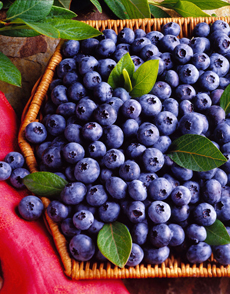
ORAC The acronym for Oxygen Radical Absorbance Capacity, which measures the phytochemical level (antioxidant value) of foods, i.e. the degree to which it can scavenge free radicals from human cells. The scale was developed by scientists at the Jean Mayer USDA Human Nutrition Research Center on Aging at Tufts University. Blueberries score 3,000 units per 3.5-ounce serving and Montmorency cherry juice has 5,286 per 8-ounce glass, while dark chocolate tips the scales at 13,120 units per 3.5-ounce serving†. ORAC numbers do not currently appear on nutrition label, but with the growing awareness of the importance of antioxidants, it will hopefully happen in the near future. Read more about comparative ORAC units in different foods.
*Based on a glass of juice reconstituted from 2 tablespoons of concentrate.
†Note that a normal portion of chocolate, unlike fruit and vegetables, is 1 or 1.5 ounces; 3.5 ounces is a larger size chocolate bar meant for more than one portion. For the sake of consistency, all foods are measured as 3.5 ounces and all beverages as 8 ounces. But for realistic calorie control, an ounce or so of chocolate is about 4,400 ORAC units.
ORGANIC The USDA regulates the term organic under a federal law, the Organic Foods Production Act, passed in 2002. The objective of the act was to foster cycling of resources, promote ecological balance and conserve biodiversity.
ORGANIC AGRICULTURE An ecology production management system that promotes biodiversity, biological cycles and soil biological activity. The primary goal of organic agriculture is to optimize the health and productivity of the interdependent communities of soil life, plants, animals and people. Organic farming methods respect the earth and nurture animals. Consumers who choose organic products contribute to promoting sustainability and the health and well-being of the planet. They also ensure that they are consuming products that are pesticide-free, non-irradiated, and not genetically modified or biologically engineered.
ORGANIC PRODUCTS/“CERTIFIED ORGANIC” To include the term organic on packaging, a manufacturer must create its product in accordance with USDA rules. The USDA’s National Organic Program certifies products as organic based on farming, handling, manufacturing, distribution and labeling practices. Requirements include: no antibiotics or growth hormones for animals, animals must be raised on organic feed and have free range to graze, crops must be raised with no synthetic pesticides or fertilizers containing synthetic chemicals, no sewage-sludge fertilizer, no bio-engineered foods or irradiation, and no GMOs (genetically modified organisms). Farming practices should enhance and preserve soil and water. A government inspector must certify the farm after visiting it; farmers must keep detailed records on crops.
100% ORGANIC All ingredients, not counting water and salt, are organic. Products with this rating can use the green and white USDA Organic seal (image at right).
ORGANIC At least 95% of the ingredients, measured by weight (excluding water and salt), must be organic. The remaining 5% can only be natural or synthetic ingredients that are not available organically, drawn from a preapproved USDA list. Products manufactured to this standard may use the “USDA Organic” seal on the label.
MADE WITH ORGANIC INGREDIENTS Products with at least 70% organic ingredients may say “Made With Organic Ingredients” and list up to three ingredients. This category may not use the “USDA Organic” seal on the label.
PHYTOCHEMICALS Photochemicals are found in plants, and include a variety of compounds, including flavonoids, that carry antioxidants. Examples of high-antioxidant phytochemicals include quercetin (a flavonoid found in berries, broccoli and leafy green vegetables, capers, citrus, cranberry, red grapes and others) had the highest CAA value, followed by kaempferol (found in apples, cabbage, onions, leeks and spinach,), epigallocatechin gallate (EGCG, found in tea), myricetin (found in berries, fruits, grapes, vegetables and walnuts) and luteolin (found in basil, celery, parsley, peppermint, thyme, sweet peppers).
PHYTONUTRIENTS Natural compounds found in plants (phyto means plant). Phytonutrients appear to be potent disease-fighters because of their antioxidant properties.
POLYPHENOLS A large group of antioxidants that include anthocyanins, catechins, ellagic acid and quercetin, among other substances. See antioxidants.
PREBIOTIC or PREBIOTICS
Prebiotics are a type of dietary fiber that remains undigested in the intestine and serves as a food source for the probiotic bacteria (see below), to make them more effective. They can be fiber from common foods like bananas, barley, garlic, honey, onion and rye. . Some prebiotics have been shown to enhance the absorption of important minerals like calcium.
PROBIOTIC Having probiotic (friendly) bacteria like Bifidobacerium bifidus, L. acidophilus, L. bulgaricus, L. casei and S. thermophilus.
PROBIOTICS Probiotics are the healthy bacteria found among the intestinal microbiota, the living microorganisms in the intestinal tract that are necessary for proper digestive health. They are responsible for protective effects, including healthy turnover of cells in the intestinal tract, production of essential nutrients such as short-chain fatty acids and amino acids, stimulation of intestinal immunity and prevention of overgrowth of harmful organisms. Probiotics can also be found in fermented food products such as yogurt and in supplements. Research has only begun to scratch the surface about the health benefits of probiotics, but suggests that consumption of probiotics may positively enhance the immune response and allow for improved resistance to infectious diseases. There may be a strong indication for the use of probiotics in the treatment of numerous gastrointestinal diseases, including irritable bowel syndrome. Read our detailedarticle on probiotics.
RAINFOREST ALLIANCE A U.S.-based conservation group and certifier that sets rigorous environmental standards for coffee, cacao and other products to protect the rainforest. It means that farms have met rigorous environmental and social standards including biodiversity, conservation and ecosystem protection plus worker protection, healthcare and education for children of the farm workers. Rainforest Alliance helps sustain the land; it does not guarantee a price to the farmer. For price guarantee, see Fair Trade Certified.
RAW FOOD Raw food cuisine—as opposed to raw food staples, like produce and fish—is a culinary philosophy where ingredients are not heated above 118°F (48°C). This precludes serving meat, with the exception of tartare or carpaccio, and raw fish such as ceviche or sashimi; however, many raw food practitioners and restaurants are vegetarian. Standard meat and fish proteins are replaced by legumes, nuts and soy. Since the foods’ natural enzymes and vitamins are not cooked away by heating, raw cuisine provides optimum nutritional value and health benefits, which are purported to include more energy, less proclivity to disease and a slower aging process. Raw foods also are low in carbs and sugar, and are excellent choices for people with food allergies. Far from being “grated carrot cuisine,” chefs have elevated raw food to the heights of haute cuisine (and it is just as labor intensive).
rBGH / rBST rBGH is the abbreviation for Recombinant Bovine Growth Hormone, also called Recombinant Bovine Somatotropin (rBST). Somatropin is a genetically-engineered copy of a naturally-occurring hormone produced by cows, that is injected into dairy cows bi-weekly to increase their milk production. It is legal in only three countries: the United States, South Africa, and Mexico. Cows injected with rBGH have shorter life spans and are much more likely to suffer from udder infections; evidence is accumulating that rBGH may promote breast and prostate cancer in humans who drink milk from rBGH-treated cows. Milk from cows injected with rBGH cannot be certified organic. rBGH/rBST was one of the first major biotechnology-related products to enter the nation’s food supply: It was approved in 1993 by the Food and Drug Administration. Today, about 15% to 20% of U.S. dairy cows are injected with the hormone.
SHADE-GROWN COFFEE Coffee farmers growing the robusta beans are doing so by clear-cutting tracts of indigenous vegetation to cultivate their coffee shrubs. Arabica coffee shrubs, which are less tolerant of imperfections in their surrounding microclimate, are grown under a canopy of shade from taller trees (“overstory” trees), such as banana, plantain, citrus, medicine-producing trees or others native to an area. The overstory trees shield coffee plants from excessive winds and light; they provide natural protection from temperatures and humidity that may be less than ideal. Such coffee is called “shade grown.” One of the most important aspects of shade grown coffee is its effect on biodiversity. Since the introduction of robusta coffee and the clearing of innumerable acres of vegetation to support its cultivation, populations of many migratory songbirds have been in serious decline; they help keep down populations of insects that affect coffee (and other) plants and their presence eliminates the need for much of the use of pesticides. Read a longer discussion of shade-grown coffee. See also Bird Friendly.
SPECIALTY PRODUCTS / GOURMET PRODUCTS These are high quality products, often with limited distribution, that are locally and regionally produced (including imported foods and beverages and ethnic foods). They are generally made in small quantities, often using artisanal techniques; and are often natural.
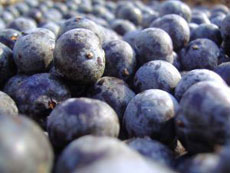
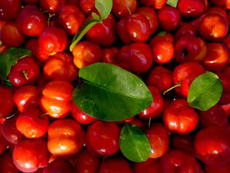
SUPERFOOD / SUPERFRUIT There is no government definition, but a superfood is a natural food source that is highly concentrated with a complex supply of quality nutrients. Bee pollen is the most famous superfoods, incredibly dense with thousands of phytonutrients (plant nutrients) including enzymes, bioflavonoids, phytosterols and carotenoids, free amino acids, Omega 3 essential fatty acids, naturally chelated minerals and whole vitamin complexes. The açaí berry is considered a superfood because of its extremely high level of anthocyanins (an antioxidant), vitamins A and C and omega 6 and 9 essential fatty acids, fiber and amino acids. Others include blueberries, dark chocolate, goji berries, green tea, pomegranate and soy. According to a 2007 report from Datamonitor, “Superfood & Drinks: Consumer Attitudes to Nutrient Rich Products,” the superfood food and beverage market is expected to double by 2011 as consumers are paying more attention to diet and nutrition and increasingly seeking food and drinks with additional health-promoting benefits. Photo of the açaí berry by Ronaldo Salame | SXC.
SUSTAINABLE When a company practices sustainable manufacturing or agriculture, it chooses environmentally and socially responsible production. It purchases ingredients that are Fair Trade Certified and dolphin safe, e.g., and throughout its production, it preserves natural resources by choosing natural, recycled and bio-degradable products, bio-friendly cleaners, solar power where possible. Sustainable products have a social improvement component, e.g. replenishing the land. Sustainable farming encourages future generations of farmers and preserves rural communities. Often food is grown without manmade chemicals, or with minimal use of them. There is no official certification, but some farmer-verified programs like Certified Naturally Grown are springing up.
USDA The United States Department of Agriculture. The USDA passes regulation and supervises all products labeled “organic.” The USDA has three categories for organic products: 100% Organic Organic, and Made With Organic Ingredients. There are no regulations for products labeled “natural.” See Organic.
VEGAN Vegan products do not contain any animal-based ingredients: no dairy products, eggs, honey, meat or seafood. See Vegetarian, below.
VEGETARIAN Vegetarians don’t eat meat or other animal products. different degrees of vegetarianism. The vegan is a total vegetarian who will eat only foods from plants: fruits, vegetables, grains, legumes (dried beans and peas), nuts and seeds. They will not eat any animal by-products, including honey, lard, gelatin or cochineal, a food coloring. Lactovegetarians eat plant foods plus cheese and other dairy products, but exclude red meat, poultry, fish and eggs. Ovo-lactovegetarians (also called lacto-ovovegetarians) exclude all of those items except eggs. Semi-vegetarians do not eat red meat but will eat chicken and fish along with dairy products and eggs. (Source: http://www.health.gov.)
WHITE WILLOW White willow is a large deciduous tree native to Europe, western and central Asia. Its bark yields an aspirin substitute that reduces pain and inflammation without some of the harsh side effects of aspirin.
YERBA MATE Yerba maté is a plant is grown mainly in Paraguay, Argentina, Uruguay, and Brazil. The leaves are dried, powdered, and made into a tea which has been drunk since ancient times. Yerba maté, also called simply maté, contains xanthines, which are alkaloids in the same family as caffeine and theobromine, the stimulants also found in coffee and cacao. Researchers have found that yerba maté does contain caffeine, but some people seem to tolerate it better than coffee or tea. As with coffee and tea, users benefit from focus and alertness but also can experience anxiety, jitters, and heart palpitations. Yerba matéhas many nutrients including vitamin C, several B vitamins, magnesium, calcium, iron, potassium, manganese and zinc. For more information, read our review of Guayakí Maté.
Recent Articles From Our NutriNibbles™ News Feed:
Subscribing notifies you whenever
there are
new additions
to the NutriNibbles™ section.