THE NIBBLE (TM) - Great Finds for Foodies (tm)


RSS feed

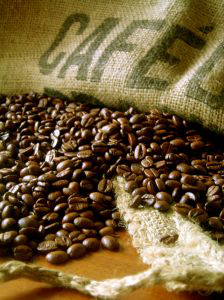
Raw Coffee Beans Raw coffee beans, or berries. Photo courtesy of Kosmo.

MENU


Coffees

Category Main Page
Articles & Reviews


Beverages

Category Main Page
Articles & Reviews


Main Nibbles

Main Page
Articles & Reviews Of Foods
From A To Z


Product Reviews

Main Page
Foods, Beverages, Books,
News & More


July 2005
Updated September 2007


Product Reviews / Main Nibbles / Beverages


Coffee Glossary

A “Coffee Dictionary” With The Terms of the Trade


Study these and you’ll have a much greater appreciation of that next sip of coffee. Practice the language of coffee by using these terms to describe each cup you drink. Soon, they’ll become natural to you—and you’ll be able to educate others. For terms specific to espresso, see our separate Espresso Glossary.

Click on the letter of the alphabet in this bar to get to a term
without having to scroll manually:

a  b  c  d  e  f  g  h  i  j  k  l  m  n  o  p  q  r  s  t  u  v  w  x  y  z

Acidity: A highly-desirable quality in coffee, referring to the degree of flavor in the cup of coffee. In fine coffees, acidity results in a pleasant sharpness or brightness. Acidity refers to the coffee’s flavor and, similar to describing acidity in wine, is assessed as lively, moderate, flat or dull. All good coffees have some acidity, but to a varying degree. The darker a coffee is roasted, the more its acidity dissipates. Not to be confused with the ph level (the pH of coffee is about 5), “palate acidity” is the brightness of flavor. Without it, coffee tastes flat and dull. Coffees with good acidity taste bright and crisp.

Acrid: The unpleasant, tar-like taste, best known as coffee that has been sitting for too long on the hotplate.

Aftertaste or Finish: The residual taste left in the mouth after swallowing. Characteristics can range from sweet or spicy, smoky, light, heavy or long lasting.

Amaretto Coffee: An after-dinner beverage made by mixing one or two tablespoons of amaretto liqueur into a cup of strong coffee, which is then topped with whipped cream and garnished with toasted almond slivers.

American Roast (Regular Roast): A light to medium roast that makes light to medium-body coffee. The beans themselves are a medium-brown color.

Arrabica CoffeeArabica: Coffea arabica is considered to be the finer of the two commercially cultivated coffees—the flavor is more refined. Two-thirds of the world’s specialty coffee is Arabica, which has a much more delicate flavor than the hardier Coffea robusta. The Arabica coffee plant grows best at altitudes between 3000 and 6000 feet; it favors cooler temperatures between 65°F to 75°F. Arabica beans prefer well-drained volcanic soil, two hours of sunshine a day and shade. Cultivation at lower altitudes invites attack from various parasites.  See Hard Bean.
Photo courtesy of SXC.

Aroma: The fragrance of brewed coffee, which can be characterized as “floral,” “winey,” “smoky,” et al. Aroma is generally more a function of the roast than the bean. A lighter roast will have a lighter coffee aroma, a very dark roast will smell like smoke and charcoal.

Automatic Drip: Coffee brewers that automatically heat the water and filter it through the coffee.

Baggy: A negative characteristic, referring to beans that have been improperly stored for too long in poor-quality jute or burlap bags, and have taken on flavors from the storage material. Also used to describe under-roasted coffee that’s poorly stored and taken on similar mildewy qualities.

Baked: A bready or biscuity taste from coffee that’s been roasted too slowly or at too low a temperature.

Balanced: A characteristic that indicates a complexity of flavors and aromas although one quality does not stand out above another. A well-balanced coffee will have good acidity, full body, and some fruit. As with wine, some people prefer a preponderance of one factor over another—high acid, light or heavy body, very fruity versus no fruit, et al.

Barista: A professional trained in the art of making coffee drinks.

Belgian Coffee: An after-dinner beverage made by folding a beaten egg white into whipped cream, mixing it into a cup of coffee, and garnishing the froth with grated bittersweet chocolate.

Bird Friendly LogoBird Friendly: Under a program established by the Smithsonian Institution to protect the habitat of songbirds in rapidly-deforested coffee-growing regions, Bird Friendly coffee is shade grown as well as organic. Companies selling these coffees contribute 25 cents per pound sold to the Smithsonian Migratory Bird Center to support research and conservation programs. See Shade-Grown Coffee.

Bitter: An over-roasted coffee that produces a harsh, unpleasant aftertaste.

Blend: A mixture of one or more varieties or species of coffee beans. The beans may be mixed before or after roasting.

Bright: A characteristic of fine coffees. Describes a lively, sparkling taste and appearance. Related to the level of acidity.

Body: How heavy a coffee feels in your mouth—the sense of thickness. Body is the result of the amount of sediment or oil present in the coffee. It is described as light, medium, full, or very full; and will vary depending on the origin of the coffee and the brewing method. Coffees with a heavier body have more complexity of flavor. Body is a counterpoint to acidity: The same bean or cup of coffee won’t have both a lot of acidity and a lot of body. To evaluate the body, sip the coffee and let it rest on the tongue before swallowing. See also Mouthfeel.

Bouquet: The smell of the coffee grounds.

Cappuccino BreveBreve: An espresso-based beverage that substitutes half and half for milk. For example, a Cappuccino breve would be made exactly the same way as a regular cappuccino, except half and half would be steamed and frothed in the place of the milk. There’s no direct translation: breve is the Italian word for “short”; half-and-half is latte col 50% di panna, or “milk with 50% cream.” See our Espresso Glossary for more espresso definitions.
Photo by Ivan Freaner | SXC.

Buenaventura: Spanish for “good fortune” and named after a Colombian port, a dark, rich gourmet coffee with soft winey undertones blended from the finest beans from Central and South America.

Burnt: Coffee that has been over-roasted and has taken on a charcoal, ashy flavor.

Buttery: A smooth, rich flavor and texture characteristic of some coffees, particularly those from Indonesia.

Café Canario: In Spain, a café solo topped with sweet, thick milk.

Café Con Hielo: A sweetened iced coffee served in Spain.

Café solo: The Spanish term for espresso. See our Espresso Glossary for more espresso definitions.

Caffe Americano: A single or double shot of espresso poured over six ounces of fresh hot water to produce a milder (“American-style”) coffee. Unlike with American coffee, the crema should rise to the top of the finished beverage.

Caffeine: A bitter alkaloid contained in coffee and tea that stimulates the central nervous system and, in the right amounts, causes adrenaline to be released. Caffeine can enhance heart function, and is said to help with intellect. Too much caffeine can over-stimulate and cause discomfort.

CappuccinoCaffe Latte: A coffee drink made with a double shot of espresso topped with steamed milk and finished with a quarter-inch of steamed milk foam. The milk is poured down the side of the cup to cause the two liquids to swirl together, creating an almost marbelized appearance. A Caffe Latte is much milkier and creamier than a cappuccino, made with one part espresso and at least five parts of steamed milk, with only a small amount of froth on top.  Cappuccino is made in equal parts of espresso, steamed milk and foam. Latte “art,” creating designs in the steamed milk, has become very popular, with international competitions  held for baristas. See our Espresso Glossary for more espresso definitions.

Caffe Latte Freddo: An iced Caffe Latte; espresso mixed with cold milk in the same proportions as a Caffe Latte and shaken vigorously with ice in a cocktail mixer. See our Espresso Glossary for more espresso definitions.

Caffe Mocha: An espresso-based drink that combines one shot of espresso, an ounce of chocolate syrup and frothed milk, topped with whipped cream and sprinkled with cocoa. Some people add the chocolate syrup to the milk prior to steaming to produce a chocolate froth. See our Espresso Glossary for more espresso definitions.

CappuccinoCappuccino: A beverage made from one or two shots of espresso, topped with equal parts of steamed milk and steamed milk foam. Many people enjoy a sprinkling of cinnamon on top. See our Espresso Glossary for more espresso definitions.
Photo by Laura Kennedy | SXC.

Caramel: A coffee flavor and aroma evocative of caramel.

Chemical: An off aroma and/or flavor evocative of chemicals; or coffee tainted with chemicals. Can also be described as medicinal.

Chicory: A plant root that’s roasted and used as a coffee filler in coffee that’s popular in New Orleans.

Chocolaty: A flavor and aroma characteristic of many coffees.

Cinnamon Roast: A light roast. Cinnamon is the darkest of the light roasts, which also include Finnish and Scandinavian roasts. The next darker roast is known as an American Roast.

Clarity: Descriptive of the most refined coffee, with acidity, balance and a clean finish.

Clean: A well-graded coffee, free of defects. After coffee cherries are harvested, they are taken to a washing station. To create a top-grade coffee, the defective or bruised cherries are removed. This will produce a cleaner tasting coffee with a crisp finish.

Cocoa: Some coffees have the aroma and flavor of cocoa powder.

Coffee: Coffee is the common name for seeds produced by shrubs of the Coffea gender of the family of the rubiaceas. The plant grows worldwide in volcanic soil in tropical and subtropical climates between the Tropic of Cancer and the Tropic of Capricorn, a 25-degree latitude belt on both sides of the equator (about 80 countries grow coffee, 30% comes from Brazil and a second major exporter is Colombia). It Coffee Plantationgrows, from sea level up to 6,000 feet, but the best coffee arabica grows around 5,000 feet. The tree doesn’t like heat greater than 90°F, and frost will kill the coffee plant. Among the 30 or so species included in the Coffea gender, only three produce quality coffees: Coffea arabica and Coffea canephora, known as Robusta. A third variety, Coffea liberica, produces coffee in marginal quantities. There are varieties grown indoors as household plants because the coffee plant can do well there. Some varieties of coffee plant typically grow over 30 feet. But, in cultivation, for ease of picking of the coffee berry, the plant is seldom allowed to grow over 15 feet. The Arabica plant is typically smaller than the Robusta plant and is a tree-type plant with a straight-up trunk with branches paired off outwardly. Coffea robusta is a shrub-type plant that grows similarly to a bush, in that it has several trunks.
Photo of coffee plantation by Ana Labate | SXC.

Coffee Bean: Almost everyone is familiar with roasted coffee beans. The beans are actually the seeds of the fruit, or berry, of the coffee plant. The berries are picked, the pulp is removed, and the green seeds are roasted.

Ripe Coffee Berries Green Beans Roasted Coffee Beans
Ripe Coffee Cherries Green Seeds (Beans) For Roasting Roasted Coffee Beans

Coffee Cherry, Berry or Fruit: The fruit of the coffee plant, the cherry that contains the seeds (coffee beans). The cherries grow to about .5 inch to 1.25 inches in diameter, depending on the species. The cherries grow in clusters; when they are ripe, they turn bright red (see photo above, left); when they are past ripeness, they turn brown to reddish brown and fall off the branch. Some growers allow the cherries to fall to the ground, but most pick them when they are red.

Complex: A taste or aroma with numerous characteristics; as opposed to simple, with just one or two. For example, a coffee can be chocolaty and smoky, flowery and fruity, or have several taste sensations that layer and evolve, as with fine wine. Coffees with such depth and resonance are considered to have complexity, and to be more rare and valuable than those with single flavor and aroma notes. As in all foods, those with complex, layered flavors offer more depth and resonance, and are considered more sophisticated and of higher quality.

Crisp: Referring to a clean coffee with bright acidity.

Crema: The caramel-colored foam that appears on top of a shot of brewed espresso. The crema is due to colloids and lipids forced out into an emulsion under the pressure of an espresso machine, and helps retain the aromatics and flavors of the espresso in the cup.

Zagat

Cupping: A technique of tasting by coffee professionals to assess coffee’s qualities and characteristics, by inhaling the aroma of the beans from cups. Used by growers, buyers and roasters to assess the quality of a particular coffee sample. Coffee tasters (“cuppers”) sample an average of 300 coffees a day.

Decaffeinated: Coffee with 97% or more of the caffeine removed. Decaffeinated is not the same as caffeine-free. A 2006 study conducted at the University of Florida that purchased coffee at a variety of different coffee shops and restaurants showed that five to 10 cups of decaffeinated coffee contain as much caffeine as a cup or two of caffeinated coffee. Decaffeinated espresso shots varied widely, from 3 to nearly 16 milligrams, while the caffeine content of the decaffeinated brewed coffee ranged from 12 to 13.4 milligrams per 16-ounce serving. By comparison, a can of Coca-Cola has about 31 milligrams. SOURCE: McCuster, R. Journal of Analytical Toxicology, October 2006; vol 30: pp 611-613.

Decaffeination Process: For a coffee to be called decaffeinated, it must be 98% caffeine-free. Coffees are decaffeinated in their green state using one of three processing methods: the Traditional or European Process, which uses methyl chloride; the Swiss, SWP, or Water-Only Process (which is certified organic); or the Sparkling Water Process, using water and carbon dioxide. Fine coffees are not decaffeinated with chemicals. The water-only process uses water and carbon filters, like a water-purifying system, prior to roasting. With the sparkling water process, a pressurized liquid form of carbon dioxide is circulated past the beans to remove the caffeine; the caffeine adheres to the carbon dioxide which is removed, taking the caffeine with it. See also Methyl  Chloride.

Delicate: Characterized by a fragile, mellow or subtle flavor. Found in washed Arabica coffees.

Demitasse: French for “half cup,” a half-size cup for espresso.

Dirty: A muddy or otherwise “dirty” taste underlying the coffee showing flavor taints, defects and other faults. Some coffees, e.g. Indonesian, has innate “forest floor” flavors.

Drip Coffee: Made by dripping boiling water over coarsely ground coffee. The water filters through the coffee and falls into the pot. The brewing process is slower than regular coffee or espresso, and the hot water is in contact with the ground coffee for much longer. A cup of drip coffee actually has more caffeine than one shot of espresso.

Both of these coffeemakers are drip units. The coffeemaker at the left is a manual drip from Bodum; the one at the right is an electric drip machine from Melitta. Bodum Drip Coffeemaker Melitta Brew Coffeemaker

Dry: A coffee with a parching or drying aftertaste, generally due to over-drying the coffee during production.

Dull: Coffee that has lost its original (or usual) zest and pungency: it may be too old, of inferior quality or poorly prepared.

Earthy: A flavor and aroma characteristic of some coffees that resembles freshly-turned soil, dirt or clay. It is found in low-grade coffee and is usually due to poor preparation conditions; although it is found in some higher-quality coffees from Sumatra as well, whose mushroom and herbal characteristics are enjoyed by some coffee-drinkers. In many origins, the coffee is literally dried on the ground, and the oils in the coffee absorb flavors from the earth on which it sits.

EspressoEspresso: A rich, black coffee made by forcing water through packed, finely ground roast coffee at high pressure, and at a high rate of speed. The standard serving is a single 1-ounce shot made with 7g of finely ground coffee extracted for between 25 and 30 seconds. An espresso roast is the darkest of roast beans yielding the strongest of brews. A properly prepared espresso will fill half the espresso cup, with the crema forming perfectly on top. Espresso is meant to be drunk immediately. See our Espresso Glossary for more espresso definitions.

Espresso Corretto: Espresso with a shot of grappa (coretto is Italian for “correct”).

Espresso Doppio: A double shot of espresso poured over one shot of fresh hot water.

Espresso Con Panna: An espresso with whipped cream on top (panna is Italian for whipped cream).

Espresso Granita: Espresso mixed with brown sugar and frozen into an ice.

Espresso Lungo: A single shot of espresso brewed from a much stronger extract (two full ounces of espresso are extracted from a single shot). Lungo is Italian for “long” or “lengthy.”

Espresso Macchiato: Espresso with a dollop of warm, frothed milk added, much less than a latte. Macchiato means “marked” or “spotted.”

Espresso Ristretto: A single shot of espresso that is brewed stronger than regular espresso but not as strong as a lungo (one ounce of espresso is extracted from a single shot).

Espresso Romano: An espresso with a squeeze of lemon juice.

Estate Grown: Coffee grown on large farms as opposed to small peasant plots, usually old family-owned plantations.

Exotic: Unusual aromas and flavors such as berry, floral or spicy.

Extra: The second best grade of coffee. The best grade is Supremo.

Fair TradeFair Trade Certified: This means that growers have received a fair market price for their harvest. The program contributes to a better way of life for farmers and their families, ensuring that farmers earn a profit for their labors, can feed their families and send their children to school. Fair Trade-certified products utilize the logo at the right.

Filtered Method: Coffee brewed with a filter, where the coffee is held separate from the sitting water.

Finish: See Aftertaste.

Flavor: The overall sensation of drinking a particular coffee. Flavor includes both taste and aroma and is influenced by both the roasting process as well as the origins of the bean. Coffee can impart a taste of the soil or even of other plants grown in the region. To fully experience the flavor, smell it first before you taste it.

Flat or Stale: A dull or stale coffee aroma and stale, papery or cardboardy taste.

Floral or Flowery: Similar to the fragrance of flowers, a flavor and aroma characteristic of many coffees. The scent is slight, as opposed to bouquet-like.

Fragrance: The aromatic sensations inhaled by sniffing; can be described as ranging from floral to spicy.

Athena French PressFrench Press: A cylindrical glass coffee pot that steeps ground coffee is hot water and then filters them with a metal filter plunger that presses the grounds to the bottom of the pot, trapping the grounds under the filter so the coffee is served from the top. Also referred to as a plunger pot.
For more information about the Athena French Press pot, click here.

French Roast: A deeper, richer blend of high-grown Central American coffees, traditionally used for espresso, cappuccino and latte. The dark brown, almost black, color is acquired through extended roasting, which brings more of the natural oil to the surface of the beans, producing a strong, full-bodied, smoky-flavored coffee. With this dark a roast, sugars in the beans are carbonizing instead of caramelizing, so there may be some charcoal notes.

Fruity: A flavor and aroma characteristic of many coffees. Either a sweet sensation reminiscent of citrus fruit, a dry sensation reminiscent of berry fruit, or a tropical fruit. Examples include Harrar, Kenya and Sidamo.

Full: A strong indication of characteristics such as acidity, body, or range of flavors.

Full-City Roast: Another term for a Vienna roast, a medium roast considered by many to be the perfect balance of acidity, aroma, body and varietal flavor.

Gamey: An off taste in the bean or brew.

Grassy: A tainted flavor to the coffee, compared to alfalfa sprouts, often resulting from unripe beans, impure water used in the washing of the beans or from faulty drying process.

Green: Processed coffee that is not yet roasted, or coffee that has been under-roasted and smells and tastes vegetal.

Grind: The size of the granules of ground coffee. The grind is particular to the coffee maker being used. A French press or other slow brewing process requires a coarse grind, as the longer-brewing process requires a slower extraction. A typical electric drip machine uses a medium grind, a stovetop machine with a metal filter uses a fine grind; paper cone filters use an extra-fine grind. Espresso machines with pump or piston actions use a special espresso grind. If the coffee is ground incorrectly, the coffee will be either very strong and thick or very weak and thin.

Half-Caf: A blending of 50% caffeinated coffee and 50% decaffeinated coffee to reduce the amount of caffeine in a cup of coffee.

Hard: Coffee with a less mild taste—not a good quality. The term is also applied to some high-grown mild coffees which require a relatively long time to mature on the tree.

Hard Bean: Beans grown at high elevations mature more slowly and are harder and denser than other beans. These fine beans produce a more concentrated and intense flavor, e.g. Costa Rican coffees which are grown at altitudes over 3000 feet. Arabica coffees are more suited to high-altitude cultivation.

Harsh: A term to describe a certain coffee flavor—not a good quality.

Herbal: An aroma reminiscent of grass, dried herbs or grains, or fresh foliage.

Hidey: Coffee which smells and tastes like hides (or new leather shoes)—not a good quality.

IbriqHigh Grown: See Hard Bean.

Ibriq or Ibrik: A special copper pot used to make Turkish coffee (photo at right).

Iced Coffee: Brewed coffee poured over ice cubes or crushed ice.

Iced Espresso: A double shot of espresso over crushed ice.

Instant Coffee: Brewed coffee that is dehydrolized to make it instantly soluble when mixed with boiled water. After achieving popularity as a 1960s convenience food and disappearing into obscurity when a resurgence of taste appeared in the 1980s, instant coffee is reappearing in individual “coffee bags,” which are tea bags that hold instant coffee and some real coffee grounds in a tea bag.

Italian Roast or Dark Roast: The darkest style of roast that produces a deep, rich, full-bodied cup. It is generally a blend of coffees especially formulated to create the crema that espresso aficionados enjoy. The beans are dark brown with an oily surface. As with French Roast beans, with this dark a roast, sugars in the beans are carbonizing instead of caramelizing, so there may be some charcoal notes.

Irish Coffee: An after-dinner drink made by mixing one to two tablespoons each of Irish Whiskey and brown sugar with strong hot coffee, and topping with whipped cream.

Java: An island of Indonesia that is a big producer of coffee, and gave its name to a generic cup of coffee.

Joe or Cup of Joe: Named after Admiral Josephus “Joe” Daniels, Chief of Naval Operations, who outlawed alcohol on board ships and ordered coffee as the beverage of service. The term, “Cup of Joe” followed, and because sailors wanted their cup “hot,” Hot Joe was shortened to “hojo.”

Juicy: A mouth-watering quality used to describe coffees that make one want to salivate.

Kahlua Coffee: An after-dinner drink made by mixing one or two tablespoons Kahlua liqueur into a cup of strong coffee, which is topped with whipped cream and then sprinkled with grated orange zest or garnished with a plain or chocolate-covered coffee bean.

Kenya: Along with coffee from Tanzania, Kenya coffee is rated by the International Coffee Organization as Africa’s finest. With body, brightness and flavor in perfect balance, it offers everything plus just a hint of East African distinctiveness that sets it apart from Western Hemisphere coffees.

Kona: One of the most highly-regarded coffees in the world, grown on the southwest coast of the Big Island of Hawaii. Aromatic and medium-bodied with a sweet flavor and mild acidity.

Latte: See Caffe Latte.

Mellow or Mild: Balanced coffee, implying low or medium acidity and soft flavor characteristics.

Methyl Chloride: The main chemical in the traditional or European decaffeination method, wherein the beans are soaked in water, the caffeine is extracted from the water, and the water is reunited with the decaffeinated beans to add back flavor. Methyl chloride is added to the extracted water to bond with the caffeine molecules, leaving more of the coffee flavor in the water. Less than trace amounts of the chemical remain in the beans which is the acceptable limit by the FDA. Most decafs are processed by this method; those that are processed with no chemicals are called Swiss Water Process or “Naturally Decaffeinated,” which uses a bonding chemical called ethyl acetate, which is extracted from decaying organic matter.

Microwave Brewers: Coffee brewers which work in a microwave oven.

Moka or Mocha: A small irregular bean, olive green in color, with a unique acid character. Native to Yemen and shipped from the port of Moka, which gave it its name.

Moka Java: A popular blend of two well-known coffee varieties: combining the sharp, winey/fruity flavor of Moka beans from Ethiopia and the rich, deep-toned body of Java beans.

Moka PotMoka Pot: The classic Italian stovetop espresso-maker, claimed to be the most copied coffee-maker in the world. Water goes into the base, and ground coffee sits in a metal filter cup on top of the base. The pot is put on top of the stove, and boiling water goes through the coffee in the base and into the top, section, from which it is poured. The Moka Pot comes in sizes from 4 cups to 12 cups, and from the “original” design to sleek and stylized designs. All function in the same way.
For more information on this classic Bialetti Moka Pot, click here.

Moldy: The unpleasant aroma, without visual representation, of mold.

Mouthfeel: Refers to how a coffee feels in the mouth: thin, full, round, etc.

Musty: The smell of mold or mildew. A negative flavor, often resulting from overheating or lack of proper drying.

Naturally Decaffeinated: See Methyl Chloride.

Neutral: A flavor characteristic that is seen as desirable by some, yielding no predominant flavors; it is the goal of a “generic” blended coffee.

Nutty: Having a roasted or fresh nut aroma. Generally a good quality, although a peanutty aroma is generally the result of poor varietal character or a blending of lower-grown coffees.

Oily: Having a specific petroleum taste, the result of improperly-treated storage bags.

USDA OrganicOrganic Coffee: Coffee which is grown under the standards of the USDA Organic Certification program, without pesticides and under environmentally sustainable circumstances. It will bear the green and white USDA Organic seal. Click here for more information on organic certification.

Past Crop: A negative characteristic of green coffee that has been sitting in the warehouse too long and has gone over the hill, acquiring a woody taste.

Peaberry: A coffee bean that is round rather than flat, from a coffee cherry which contains only one seed instead of the usual flat sided pair. This happens when one of the seeds fails to grow and the other assumes a round shape—about 5% of arabica beans.

Pod: A self-contained serving unit of pre-ground coffee, either of filter paper or plastic, depending on the unit, that generally makes one serving. The original pods were created by Illy, and many pods are based on E.S.E. (Easy Serving Espresso) specifications. However, there is profit to be made in the continuing need to buy pod refills; and since the beginning of the century, major manufacturers have launched pod brewers that require proprietary pods or cups that are not interchangeable among manufacturers. Today pods are available in many roasts and flavors of coffee.

Processing: The act of removing the coffee cherry pulp from the seeds. Coffee cherries are either sun dried and milled, or fermented and pulped.

Rancid: Since coffee beans are high in fats, the fats can go rancid, like any other oil. They will smell rancid.

Rich: Coffee with depth and complexity of flavor, full body, and an overall satisfying taste.

Rio: An iodine aroma or flavor caused by a bacteria that attacks the coffee. It used to be prevalent in coffees from Brazil, hence the descriptor.

Roasting: The application of heat applied to green coffee beans for the purpose of developing certain flavor characteristics: the darker the roast, the heavier the flavor. In order, the degree of roasts are: Cinnamon, City/American/Brown/Medium, Full City/Vienna/Viennese/High, Italian/European/Continental/Spanish/After-Dinner/Strong, French/Neapolitan/Heavy and Espresso, although there are different names for each type of roast. The darker the roast, the oilier the bean: long roasting brings the internal oils to the surface. Some countries like very light roasts: at the lightest end of the scale are Finnish and Scandinavian roasts.

Roasty: A bittersweet smoky flavor emitted by a dark roast.

Robusta: Coffea robusta typically grows in hotter and more humid areas at lower altitudes, around 600 to 1500 feet. It produces a coffee that has less fine, less nuanced qualifies than Coffea arabica, grown at higher altitudes.

Rough: Characterized by a parched, dry sensation on the tongue, related to sharp, salty taste sensations. Usually the result of lower-grown coffee.

Rubbery: The aroma and flavor of hot rubber tires or rubber bands, a characteristic of bad robusta coffee.

Container Store

Shade-Grown Coffee: Coffee grown under shady tree canopies, in the rainforest. Coffee has traditionally been grown this way. More recently, large producers have been eliminating rainforest trees, growing coffee under the full sun. Shade-grown coffee implies organic or other ecologically-sensitive growing conditions.

Smooth: Coffee that is low in acidity with smooth edges and a pleasant mouthfeel.

Soft: Low-acid, mild-flavored coffee.

Soft Bean: Beans grown at relatively low altitudes mature more quickly and produce a lighter, more porous, less dense bean.

Sour: A puckery, astringent taste that is drying in the mouth due to poor coffee processing.

Sparkling: Bright acidity that dances on the tongue before quickly dissipating—the coffee version of Champagne bubbles.

Spicy: An aromatic and taste perception reminiscent of either wood-spice (cinnamon) or wood-seed (clove). Aged coffees are often spicy.

Stale: Coffee that is flat with a cardboard taste due to being exposed to oxygen for too long. See Flat.

Straw: A negative quality, generally before the coffee turns woody.  See also past crop and woody.

Stewed: The flavor of reheated coffee.

Strength: The ratio of ground coffee to water.

Supremo: The highest grade of coffee. The second best grade is Extra.

Sweet: A coffee which is smooth and tasty and free from harshness.

Syrupy: A thick-bodied coffee with a substantial aftertaste.

Tangy: Lingering acidity.

Thin: No acidity, a lifeless flavor due to underbrewing.

Tone: The appearance or color of coffee.

Turkish CoffeeTurkish Coffee: A strong, sugared, silty beverage made from coffee ground extra-fine into a powder almost the consistency of flour. It is made with an equal ratio of coffee and sugar in a special pot called an ibriq, boiled and removed from the heat 3 times to achieve a thick beverage with a distinctive taste that is served with the grounds. This method is the same as used to make Greek coffee. When coffee traveled north to Austria, the Viennese invented the process of filtering coffee.

Varietal: A single or straight coffee from one region or country of origin.

Viennese Coffee: Coffee incorporating semisweet chocolate and heavy cream, beaten until frothy and topped with whipped cream. It can be spiced with cloves and cinnamon.

Vienna or Viennese Roast: A roast slightly darker than an American Roast. Some of the chestnut-colored beans have oil on the surface, some are dry. The sugar in the beans are caramelized, and the flavor is balanced in terms of acidity, aroma, body and varietal flavor characteristics.

Whole Bean: Coffee that has been roasted but not ground.

Wild: Exotic-flavored coffees with extreme characteristics.

Winy or Winey : A term used to describe some coffees that are full-bodied, smooth yet lively—similar to a mature red wine.

Woody: The aroma and flavor of wood—think old pine or plywood—and a very dry mouthfeel. Generally a negative quality of old coffee—see past crop—although some coffees, e.g. from Yemen and Sumatra, have a touch of woodiness as part of their natural flavor profile.


© Copyright 2005- 2008 Lifestyle Direct, Inc. All rights reserved.  Images are the copyright of their respective owners.


Spread The Word: Each icon below links to a site where you can bookmark, share and comment on this article:
Dine52    del.icio.us    ma.gnolia    Newsvine    Yahoo Myweb    BlinkList    simpy    reddit


.